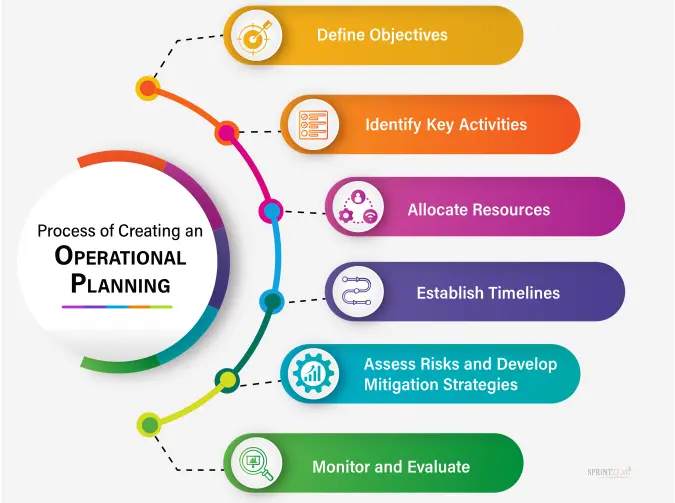
For too many businesses, the budget is a tedious compliance exercise, an afterthought driven by tax deadlines. However, high-growth companies view their budget as a live, strategic roadmap It's the mechanism that translates high-level ambition into actionable, measurable financial decisions.
The Difference Between Tracking and Planning
Traditional bookkeeping tracks where your money went. Strategic financial planning and budgeting dictate where your money will go This process is about alignment: ensuring every expense, every capital expenditure, and every revenue forecast supports your core business objectives, leading to sustained growth and profitability.
Three Pillars of a Strategic Budget
A strong budget moves beyond simple expense reports and focuses on forward visibility and control:
- Forecasting and Scenario Planning: We build models that allow you to see the financial impact of different business decisions (e.g., hiring a new team member, launching a new product line) before you commit resources.
- Resource Allocation: The budget becomes a tool to consciously shift resources away from underperforming areas and into growth drivers.
- Variance Analysis: By continuously comparing actual results to your strategic budget, you gain early warning signals, allowing you to course-correct faster than your competitors.
Ready to move your business from reactive accounting to proactive strategic planning? Let's discuss a customized budgeting solution.